How to Screen a Roommate Before They Move In
Whether you're still writing the listing or already have messages piling up from strangers, the real question is the same: who's actually going to live in your home? Not a leasing office, not a property manager — you, trying to tell the difference between someone who'll pay rent on time and keep the kitchen clean, and someone who won't.
Good news: this part is more learnable than it feels right now. There's a process for it, and once you've run it once, it gets a lot less intimidating the next time. Here's what it actually looks like.
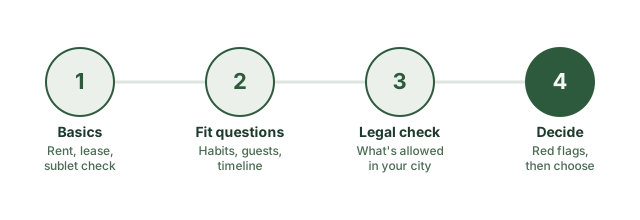
Start with the basics
Before you even post the listing, it's worth having your own answers ready — you'll move faster once messages start coming in, and you'll come across as someone who has their act together, which is exactly the impression that attracts good applicants. Get the practical terms on the table, for both of you:
- How rent and utilities will be split, and on what schedule
- Lease length and move-in date
- Whether this is a sublet (they pay rent to you) or you're adding them as a co-tenant directly on the lease (jointly responsible with you) — either way, check what your landlord's lease actually permits before you go further. The distinction matters even more in rent-controlled cities like San Francisco, where it affects future rent increases — more on that in our Legal & Compliance guides
If you're renting the unit yourself and adding someone to it, don't skip that last check. It's the difference between a roommate arrangement and a lease violation.
Questions that predict a good roommate fit
Once the basics are settled, the rest is about compatibility — and this is where most roommate conflict actually starts:
- How do you feel about cleanliness and chores? Who does what, and how often?
- What's your guest policy — overnight guests, how much notice, how often?
- What are your typical hours — early riser, night owl, work from home?
- How long are you looking to stay? Is this a step toward something more permanent, or a short-term landing spot?
None of these have a "right" answer — they're compatibility questions, not screening criteria. But mismatched answers here are what actually end roommate arrangements, more often than anything covered above.
What you're legally allowed to ask — and what you're not
Before you act on anything above — running a credit check, asking about someone's background, charging an application fee — run it through a legal check. The rules here vary by city, and getting it wrong carries real risk: screening-fee violations, Fair Chance ordinance liability in cities like Oakland and Berkeley, and more. Here's the shape of it, at a glance:
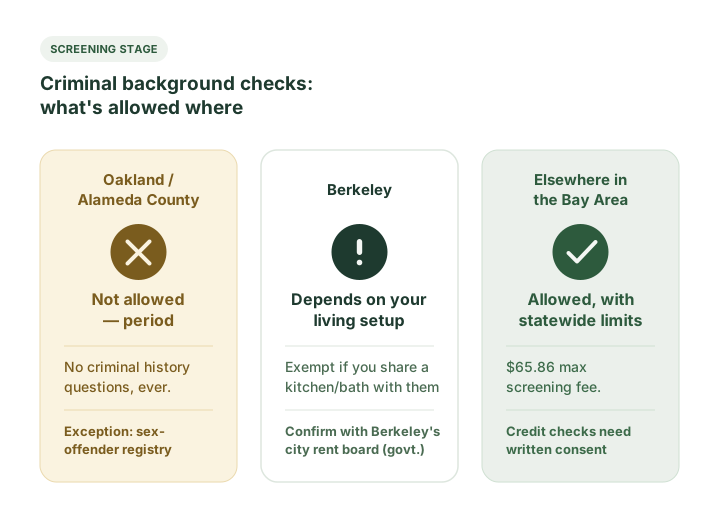
We're covering the full legal picture — screening-fee rules, credit-check requirements, Fair Chance ordinances, and what's different city to city — in a dedicated post for Bay Area landlords.
Red flags to watch for
A few patterns show up again and again in roommate arrangements that go badly — evasiveness about references, pressure to send money before meeting in person, refusing to do a video call or walkthrough. None of these are disqualifying on their own, but a cluster of them usually means something. We cover the specific patterns, what a bad reference actually sounds like, and how many flags is too many, in Red Flags: How to Spot a Bad Roommate Applicant.
None of this means you should expect the worst from every applicant. Most people messaging you about a room are exactly who they say they are — the point of a process is just to make the exceptions easy to spot.
If you want help with this part
Key runs the intake conversation with each applicant, asking the questions above and capturing their answers, then hands you a clear summary to compare candidates side by side. You're still the one who decides who moves in — Key just handles the legwork of getting consistent answers from everyone.